
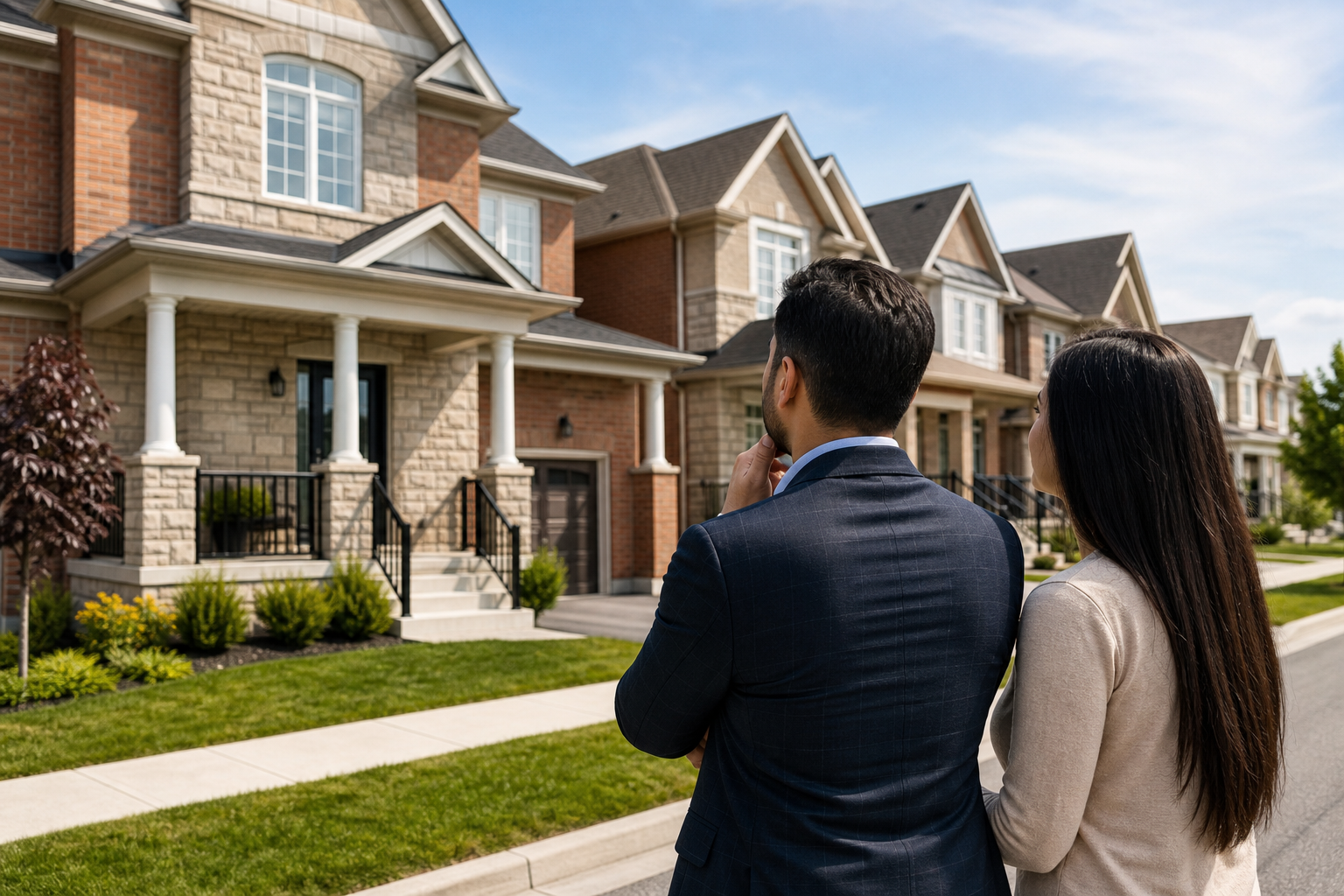
What red flags should you watch for when buying a home in Brampton?
If you are buying a home in Brampton, spotting problems early saves time and money. This article gives a focused, neighbourhood-aware checklist: what to spot on viewings, exact questions to ask sellers and listing agents, inspection and title items that should never be waived, special risks for pre-construction or older stock, and how to vet a local Realtor. Use the six-item rapid checklist below immediately when touring properties.
- Viewing checks: structural, moisture, roof, mechanicals, and obvious safety hazards.
- Seller questions: renovations and permits, water history, and reason for sale.
- Inspection and title red flags: liens, encumbrances, boundary disputes, and major repair costs.
- Financing and contingency rules: do not waive inspection or financing without professional advice.
- Special risks: pre-construction contract terms, land servicing, and commercial tenant leases.
- Vetting an agent: local sales knowledge, availability, and verified client reviews.
Brampton market snapshot: price ranges and neighbourhood differences to keep in mind
Local price context helps you judge whether a property is fairly priced or hiding problems. Recent market summaries show strong neighbourhood variation. For example, a market snapshot reports semi-detached averages near $804,242 and freehold townhouses about $767,488 in April 2026, useful when comparing similar product types during your search. A neighbourhood guide similarly notes detached homes ranging roughly from $980,000 to $1,150,000 depending on location, while townhouses trade nearer to $700,000 to $850,000 in 2026. These figures are helpful when a listed price looks low for its area.
Property tax and local services also change carrying costs. A regional analysis cites a blended property tax example near 1.05 percent, which materially affects annual carrying costs on higher-priced homes and should factor into your affordability calculation.
Why neighbourhood context matters
Price bands, age of housing stock, and local infrastructure determine how quickly defects matter. An older Bramalea-era home with deferred maintenance may sit in a lower price band but require immediate capital, while a newer subdivision home might have warranty protections. Always compare the property to recent sales of the same product type in the immediate neighbourhood rather than town-level averages.
Bramalea example: older product and price band
Bramalea and similar established pockets often offer older, solidly built homes at different price points than newer subdivisions. Use neighbourhood guides to understand common repair needs and likely price ranges before assuming a low price is an automatic bargain.
Red flags to spot during property viewings
What you see during a viewing is often the first trigger for deeper checks. For each red flag below, use the exact question on-site and note the answer for later verification.
Structural cracks and uneven floors: what to ask and why
Ask the seller or listing agent: "Have there been any foundation repairs or structural assessments?" Visible large cracks, bowed walls, or sloping floors can indicate settlement or foundational problems that require specialist evaluation.
Signs of moisture, mould, and poor drainage
Ask: "Has the basement had flooding or repeated water issues? Was any remediation performed and is there documentation?" Ongoing moisture or musty odours often point to drainage or waterproofing problems that can be expensive to fix and may recur.
Roof age and condition
Ask: "How old is the roof and have there been recent repairs?" A near-end-of-life roof can be a large, immediate cost. Look for sagging, missing shingles, and stains on ceilings below rooflines.
HVAC, electrical, and plumbing signs
Ask: "When were major systems last serviced or replaced?" Outdated electrical panels, knob-and-tube wiring, or patched plumbing are safety and insurance concerns. Note visible wiring, rust, or unvented appliances.
Odours, pest evidence, and heavy clutter
Persistent chemical or sewer smells, droppings, or signs of infestation require professional assessment. Excessive clutter may hide defects and suggests deferred maintenance. Ask: "Have there been pest treatments or professional clean-outs recently?"
Neighbourhood red flags to check quickly
- Repeated listings on the same street can indicate turnover or localized problems.
- High concentration of absentee landlords can affect resale and tenant quality.
- Proximity to noisy infrastructure or planned developments may change livability and future value.
On-site script: "We like the house, but can you confirm the last time the roof, furnace, and basement were serviced and whether any water incidents were officially recorded?" Record answers and follow up with requested documents.
Exact questions to ask the seller or listing agent before you make an offer

Prioritize questions that reveal hidden risk and require documentation. Demand copies where possible and set timelines for receiving them before you remove any conditions.
Renovation history and permits
Ask: "What renovations have been done, who performed them, and were permits pulled?" Verify permits with the City of Brampton where required. For new-home considerations, consult the city’s New Home Purchaser's Guide for guidance on building permits and buyer protections during construction.
Past water incidents and remediation proof
Ask for dates, remediation invoices, and guarantees. If remediation was DIY or undocumented, treat the disclosure as incomplete and insist on inspection proof.
Reason for selling and occupancy history
Ask: "Why is the seller moving and how long have they owned the property?" Short ownership periods can be a red flag for undisclosed issues or a property bought for quick flips without proper renovation.
Documents to request immediately
- Seller property disclosure statement
- Copies of permits and contractor invoices for major work
- Recent utility bills and property tax statements
- Condo or community rules and fee schedules if applicable
Inspection, title, and financing red flags before you waive conditions
Never waive inspection, title, or financing conditions to be competitive without accepting the full risk. These conditions protect you from unseen liabilities.
Inspection scope and must-check items
Insist on a full home inspection covering foundation, roof, mechanical systems, electrical, plumbing, and visible mould. For older homes add sewer scope, electrical panel evaluation, and chimney inspection. If inspectors find active water entry, structural movement, or unsafe wiring, treat the findings as potential deal-breakers unless a qualified contractor provides a costed repair plan.
Survey and lot boundary checks
Confirm lot lines and encroachments with a recent survey. Boundary disputes or unpermitted structures on a neighbour’s property can delay closing and add legal costs.
Title search, liens, and encumbrances
Ask your lawyer to run a title search that checks for outstanding liens, easements, or municipal work orders. These encumbrances can restrict use or add liabilities.
When to add specific conditions
Add conditions for wells, septic, or older chimneys. If the inspector flags a major issue, require a contractor’s confirmation of repair scope, timeline, and warranty before removing conditions.
Financing contingencies and pre-approval caveats
Do not assume pre-approval equals final mortgage approval. Keep a clear financing condition in the offer until your lender confirms the appraisal and underwriting.
Special risks in Brampton: pre-construction, land and plazas, commercial, and older neighbourhood stock
Different property types carry specific risks. Ask targeted questions and get specialist advice for each category.
Pre-construction red flags
For pre-construction contracts, watch deposit structure, assignment rules, and closing date flexibility. Verify the builder’s track record and warranty process, and consult the city’s New Home Purchaser's Guide for permit and construction guidance.
Land and plaza purchases
For land, confirm servicing, zoning, and access. For plazas or commercial buildings, review tenant leases, arrears, and common area maintenance agreements. Hire a commercial accountant to stress-test income projections and lease terms before committing.
Older neighbourhood stock
Homes built in earlier eras may have hidden issues like knob-and-tube wiring, lead paint, or outdated drainage. Factor repair costs into offers and obtain specialized inspections when needed.
How to vet a Brampton Realtor and the decision criteria that matter

Picking the right local agent reduces risk. Use direct questions and demand evidence of local performance and client service.
Questions to ask prospective agents
- "How many transactions have you closed in this neighbourhood in the last 12 months?"
- "Can you share recent client references and sample marketing for similar properties?"
- "How will you handle competitive offers and negotiation strategy?"
- "What are your availability and communication expectations during a fast-moving deal?"
Look for agents who demonstrate local sales knowledge, quick availability, and recent client reviews. An agent’s website and business listing can confirm responsiveness and local focus.
Three decision criteria that should change your agent choice
- Demonstrated neighbourhood transactions and references
- Clear plan for handling inspections and conditional offers
- Responsive communication and a defined negotiation approach
A one-page viewing checklist and final decision questions to ask yourself
Viewing checklist
- Look for cracks, sloped floors, and ceiling stains
- Check basement and crawlspace for damp, mould, or efflorescence
- Inspect roofline and gutters from the ground for age signs
- Test windows and doors for proper operation and drafts
- Turn on taps and flush toilets to check water pressure and drainage
- Open electrical panels and note panel type and visible wiring condition
- Listen for street noise, and check distance to transit and amenities
Final decision questions
- Can I afford this home after realistic taxes, utilities, and likely repairs?
- Does the inspection report introduce risks that exceed my tolerance or budget?
- Is the neighbourhood likely to support resale or is turnover a warning sign?
- Do I have a local Realtor who can validate comparables and negotiate repairs or price?
Real buyer objections and how to handle them
"I will skip inspection to be more competitive"
Recommendation: Do not skip inspection unless you fully accept paying for unknown repairs. An inspection can save you tens of thousands in unexpected costs and can be used as leverage to negotiate.
"I can rely on the seller disclosure alone"
Recommendation: Seller disclosures are helpful but not a substitute for an independent inspection and title search. Always verify important claims with documentation.
"I want to buy without an agent"
Recommendation: You can transact without an agent, but you lose an experienced local advocate. If you proceed, hire a real estate lawyer and independent home inspector to protect your interests.
"This neighbourhood will appreciate so defects don’t matter"
Recommendation: Future appreciation is uncertain. Avoid assuming appreciation will offset major repair costs. Evaluate repairs and carrying costs realistically.
Frequently asked questions
Do I need a home inspection when buying in Brampton and what should it include?
Yes. A full home inspection should cover foundation, roof, HVAC, electrical, plumbing, visible mould, and any ancillary systems. For older homes add sewer scope, chimney, and electrical panel checks. Use the inspection report to price repairs or add conditions to your offer.
How can I check property tax and utility cost history for a Brampton house?
Request recent property tax statements and utility bills from the seller. You can also confirm municipal rates and tax procedures using City of Brampton resources and neighbourhood summaries to estimate annual carrying costs.
What special protections or steps are there when buying a pre-construction home in Brampton?
Pre-construction purchases require careful review of deposit terms, assignment rules, and the builder’s warranty and track record. Consult the city’s New Home Purchaser's Guide for permit and construction guidance and consider legal review of the purchase agreement.
How do I verify whether renovations had the proper permits in Brampton?
Ask the seller for permit numbers and contractor invoices, then verify permits with the City of Brampton building department. Unpermitted work may result in retrofit costs or municipal orders.
What criteria should I use to choose a Brampton Realtor who will protect me from these risks?
Choose an agent with recent local sales in the target neighbourhood, strong client references, clear communication and availability, and a plan for inspections and negotiation. Review verified online reviews and ask for sample sale or purchase plans.
Want a property-specific risk review or neighbourhood comparables for a listing you like? Visit Harman Sangha Realtor : Re/max Gold to contact Harman Sangha for local advice and a pre-offer checklist?