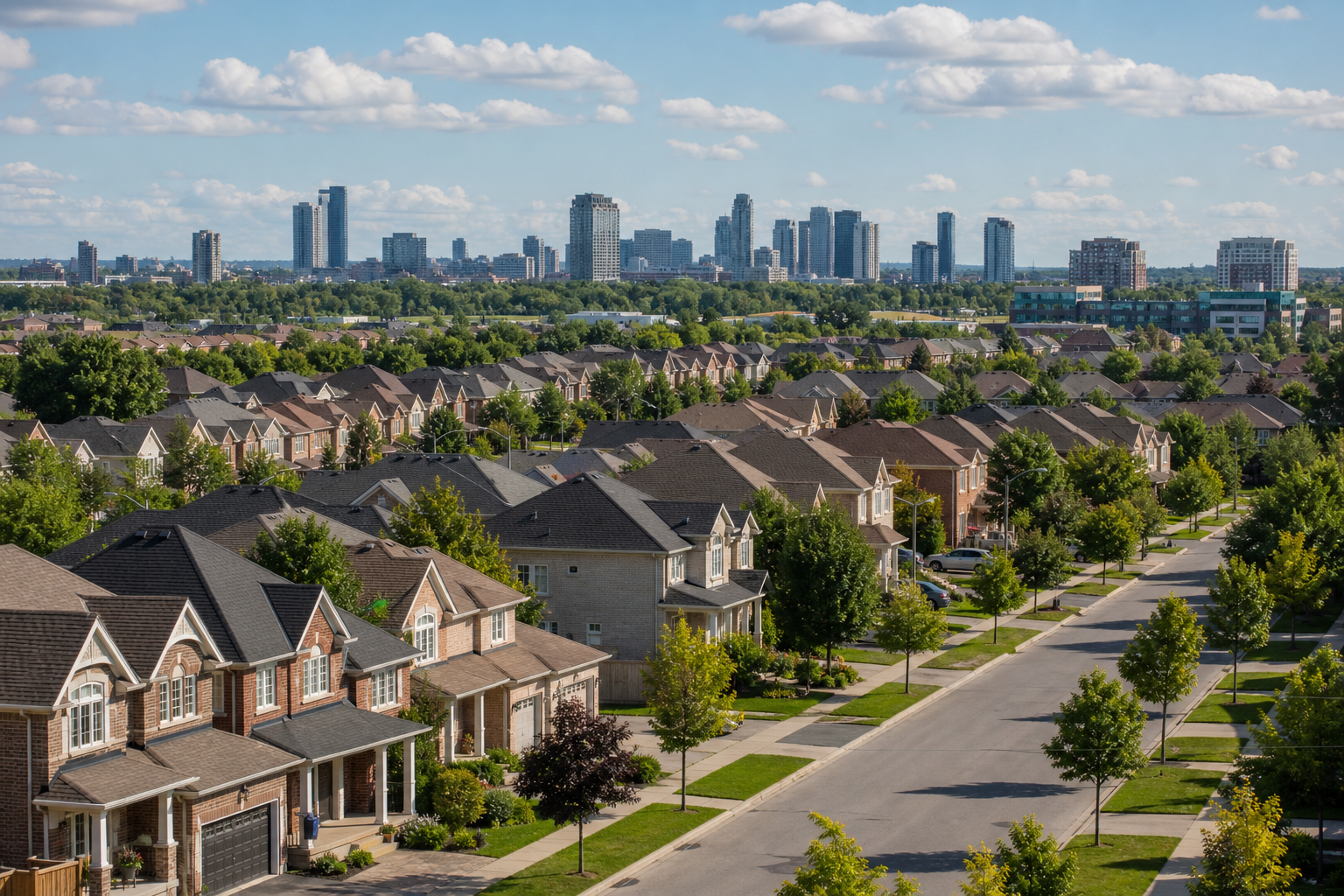
First time home buyer guide how to spot problems before you make an offer
Buying your first home in Brampton or elsewhere in the Greater Toronto Area is exciting and stressful in equal measure. This first time home buyer guide focuses on the mistakes and red flags that most commonly cost new buyers time and money, the exact questions you should ask sellers, listing agents, lenders, inspectors, and builders, and clear signals for when to pause and call a local Realtor. For local help, see Harman Sangha’s services and contact details on his website: the official website.
Top red flags that cost first-time buyers money
Below are nine high-impact red flags to spot early. Each item explains the immediate cost or negotiation consequence and gives a concise mitigation action you can use before you submit an offer.
1. Skipping mortgage pre-approval
Consequence: You may lose offers or be forced into rushed financing if a seller requires firm proof of funds and you only have an informal estimate. Mitigation: Obtain a written pre-approval from a lender that states the approved amount and any rate lock expiry. Authoritative first-time buyer resources recommend firm mortgage answers before house hunting; see a practical primer from Experian for preparatory steps.
2. Confusing pre-qualification with pre-approval
Consequence: A pre-qualification is often a soft check and not a lender commitment, which weakens your negotiating position. Mitigation: Ask your lender whether you have a pre-approval or a pre-qualification, and confirm what documents complete the approval. Bank and lender guides explain this distinction and why a formal pre-approval matters.
3. Waiving major conditions without understanding the risk
Consequence: Waiving inspection or financing conditions to win a bid can leave you responsible for costly repairs or an unapproved mortgage. Mitigation: Only waive conditions after written verification from qualified professionals and when you and your advisor have a clear plan to address any remaining risk.
4. Ignoring disclosure, permits, or renovation history
Consequence: Undisclosed renovations, missing permits, or poor workmanship can reduce resale value and trigger unexpected repair costs. Mitigation: Insist on written seller disclosures, request permits or a recent survey, and include inspection conditions that specifically check past renovations.
5. Overbidding because of FOMO in fast markets
Consequence: Paying above realistic comparables can lock you into a mortgage with limited upside if market conditions shift. Mitigation: Use recent comparable sales and adjust for differences in lot size, upgrades, and condition, and set a strict maximum offer before you bid.
6. Accepting vague title or easement answers
Consequence: Easements, rights of way, or unclear title defects can limit how you use the property and complicate resale. Mitigation: Require a current title search and have your lawyer review any easements before you remove conditions.
7. Missing condo documents or ignoring condo fee issues
Consequence: A special assessment or a rapid increase in condo fees can change your monthly carrying cost dramatically. Mitigation: Request the status certificate and recent financial statements from the condominium corporation and have a lawyer or condo-savvy advisor review them.
8. Overlooking builder warranty terms and occupancy holdbacks on new builds
Consequence: Warranty coverage, holdbacks, and occupancy rules affect defect remediation and closing timing. Mitigation: Ask the builder for full warranty documents and an explanation of occupancy holdbacks before signing a pre-construction purchase agreement.
9. Not reading assignment clauses on pre-construction units
Consequence: Assignment clauses can restrict your ability to sell the unit before completion and may create tax or legal obligations. Mitigation: Review assignment language with a lawyer experienced in pre-construction contracts and verify any developer rules about assignments.
Financing and mortgage warning signs to watch for
Mortgage offers and lender communications are frequent sources of confusion for first-time buyers. Watch for these warning signs and ask the exact questions below before you act.
- Verbal rate promises: A spoken rate is not a firm commitment. Ask for written confirmation and the conditions required to keep that rate.
- Hidden fees and costs: Some lenders add administrative, appraisal, or discharge fees that change your true cost. Ask the lender to list every fee in writing.
- Conditional approvals with short expiry: Conditional approvals can expire before your offer closes. Confirm expiry dates and what triggers a recheck.
- High-cost bridging or private loans: These can be useful but are expensive; treat them as last-resort options.
Exact questions to ask a lender
- Is this a firm pre-approval or a pre-qualification, and what documents are required to make it firm?
- What is the interest rate, is it fixed or variable, and when does any quoted rate lock expire?
- What fees and penalties could I face before or after closing?
- Do you require mortgage default insurance, and how will it affect my monthly payment?
For an overview of buying steps and lender preparation, see practical guides from PNC and Experian. For negotiation and buyer tips from agents, Zillow’s buyer advice is a useful, agent-focused resource.
Links to authoritative resources:
- Experian: First-Time Homebuyer Guide
- PNC: First-Time Homebuyer Guide
- Zillow: Advice for First-Time Home Buyers
Listing and seller-side red flags: exact questions to ask the listing agent
When you speak to a listing agent or seller, answers should be specific and documented. Vague or evasive replies are a red flag. Harman Sangha’s Brampton-focused services emphasize rapid, transparent communication for buyers who need local market context.
Condition and disclosure questions to ask the listing agent
- Has the seller completed any renovations in the past five years, and can you provide permits and receipts?
- Are there any outstanding inspections, damage claims, or insurance losses on file for this property?
- Are there any known issues that will affect title, such as easements or encroachments?
Chain and timeline questions
- Is the seller in a chained sale or under a strict closing timeline?
- Have there been any prior offers and why were they rejected?
If the listing agent’s answers are vague, insist on written disclosures, request a recent survey, and keep inspection and financing conditions in the offer. In fast-moving Brampton and GTA neighbourhoods, offer windows can be short, but that does not justify sacrificing core protections.
Inspection, condition, and builder red flags for resale and pre-construction

Home inspections reveal hidden problems. Know what to look for and how to triage inspection findings so you do not overreact to cosmetic items or dismiss structural red flags.
Common inspection omissions to check
- Drainage and grading problems that cause water in basements.
- Outdated or overloaded electrical panels and old wiring systems.
- Hidden mold indicators, long-term HVAC problems, or chronic pest issues.
What to do when an inspector flags a major issue
Triage flagged items: treat cosmetic problems as negotiable, major repairs as negotiation points, and structural or safety issues as potential deal breakers. If a repair estimate approaches a significant portion of your budget, get a contractor quote and consult your Realtor before removing conditions.
Builder and pre-construction warning signs
For new builds, ask for full warranty documents and a clear timeline for occupancy and warranty holdbacks. If the builder delays permits, resists showing completed units, or refuses written warranty language, pause and ask for legal review. When in doubt, call a Realtor experienced with pre-construction contracts.
Negotiation pitfalls and contingency mistakes in low-inventory GTA markets
Low inventory and quick offer windows in parts of the GTA change negotiation dynamics, but they do not eliminate basic protections. Common mistakes include waiving inspection or financing conditions without a fallback plan, overreliance on escalation clauses that push you above your budget, and misreading comparables that are not truly similar.
Protective conditional language you can use
- Include a firm financing condition with a defined number of days and clear expiry.
- Use a short but reasonable inspection condition period rather than waiving inspection entirely.
- Instead of an open escalation clause, set a maximum cap you will not exceed.
Remember that fear of losing a house is understandable, but decisions should be based on documented risk. If you are unsure, pause and ask your Realtor to run the numbers and negotiate protective terms on your behalf.
Decision checklist: when to pause, walk away, or call a Brampton Realtor
Use these objective thresholds and behavioural signals to make a decision at the offer stage or after an inspection. These are practical triggers, not legal rules.
- Pause and seek advice if repair estimates exceed roughly 5% of the purchase price, or no reliable contractor estimate is available.
- Walk away or insist on resolution for unresolved title issues, missing permits for major renovations, or active code enforcement notices.
- Call a Realtor immediately if the seller hides inspection reports, provides conflicting written statements, or if multiple binding verbal offers are reported without documentation.
When you call a local Realtor such as Harman Sangha, the agent can verify disclosure documents, renegotiate terms, insert protective clauses, and coordinate legal and contractor reviews to preserve your deposit and options.
Practical next steps and a Brampton checklist you can use now

Start with this short, prioritized list of actions you can complete this week.
- Get a firm written mortgage pre-approval and confirm all fees and expiry dates.
- Schedule a trusted home inspection and ask your inspector to check drainage, electrical, HVAC, and signs of water damage.
- Request seller disclosures and any renovation permits in writing, and have your lawyer review title and condo documents if applicable.
- Set a strict top-line budget and a maximum offer cap before attending showings or calling on a listing.
- If you are considering a pre-construction purchase, request full warranty and occupancy documentation and consult a lawyer experienced in builder contracts.
For a locally focused checklist to use when touring homes, request the free Brampton first time home buyer red flags checklist by contacting Harman Sangha. The checklist is free, locally focused, and available through his contact page: Request the checklist or book a consultation.
Frequently asked questions
What is the difference between pre-approval and pre-qualification and which do I need before making an offer?
Pre-qualification is an initial estimate usually based on your stated income and credit. A pre-approval is a more detailed, written commitment from a lender based on documentation and a credit check. For offer strength, get a written pre-approval that states conditions and expiry; lender guides recommend firm documentation before you bid on a home.
If an inspection finds major problems, can I back out of the purchase and get my deposit back?
If your offer included an inspection condition and the inspector finds major problems, you generally have the contractual right to negotiate repairs, request credits, or cancel before the condition expiry and recover your deposit. If you waived inspection conditions, your options are limited. Always review the specific condition language and consult your Realtor and lawyer for next steps.
What specific questions should I ask a builder before committing to a pre-construction unit in the GTA?
Ask for full warranty documents, details of occupancy holdbacks, timelines for permits and closing, any restrictions on assignment, and examples of completed similar projects. If the builder resists providing full documentation or gives vague timelines, treat that as a red flag and seek legal review.
When is it safe to waive conditions to make an offer more competitive in Brampton?
Waiving conditions can be reasonable only when you have a strong written pre-approval, have completed or arranged a rapid professional inspection, and accept the full financial risk of unforeseen repairs. In competitive Brampton markets, consult your Realtor to weigh the chance of winning an offer against the financial exposure of waived protections.
Final step
If you want the Brampton checklist or a free consultation to review an offer or inspection report, contact Harman Sangha at RE/MAX Gold for local guidance and a practical plan to protect your deposit and your decision.