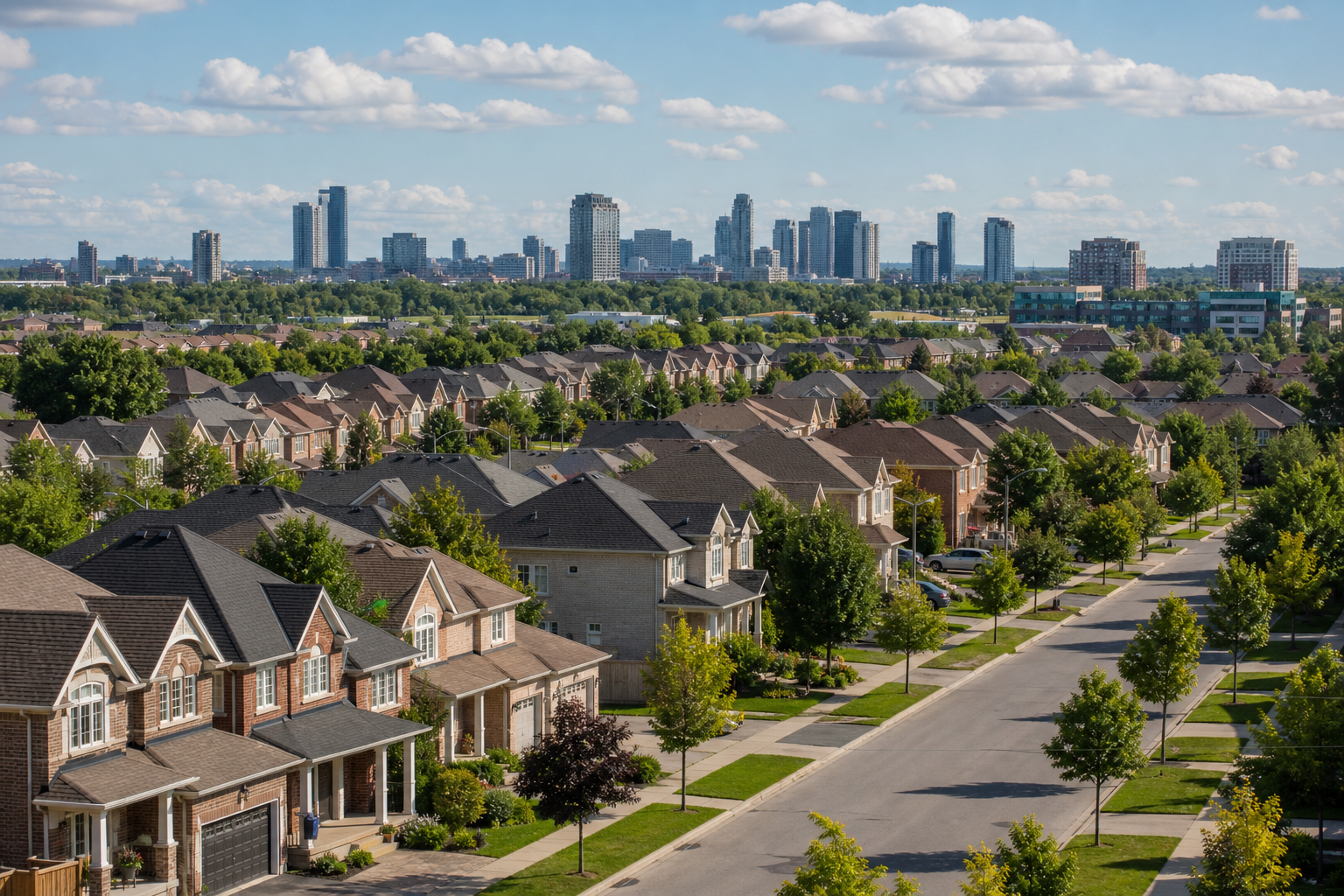
7 home buying checklist items compared for Brampton buyers
TL;DR and printable comparison sheet
This article breaks the home buying checklist into seven comparison-ready items you can use while touring properties in Brampton and the Greater Toronto Area. Print one copy of the one-page comparison sheet for each home and score items you care about: finance readiness and pre-approval, true ownership costs, property condition, neighborhood fit, title and zoning checks, inspection versus appraisal, and closing plus move-in readiness. For a simple printable framework, see HUD's homebuying checklist and use it to score each listing so you can compare results later (HUD printable checklist).
If you want a local version tailored to Brampton commute, schools, and municipal steps or a guided showing of shortlisted homes, contact Harman Sangha through his site at Harman Sangha Realtor : Re/max Gold.
1. Financial readiness and mortgage pre-approval compared
Why this matters: sellers in competitive markets favor buyers who are mortgage-ready. A pre-approval clarifies your price range and strengthens offers. Start by documenting monthly income, debts, down payment source, and credit status. Authoritative consumer guidance recommends preparing these documents before you shop so you know how much you can afford and what paperwork lenders will want (CFPB: preparing to shop for your mortgage).
What to compare at showings
- Target monthly payment versus listing price.
- Down payment amount and whether you will use mortgage insurance.
- Pre-approval type: soft pre-qualification (quick estimate) versus full pre-approval (documented, stronger).
Decision criteria
Score higher if you have a full written pre-approval and cash reserves equal to at least one to three months of mortgage payments plus closing costs. If you only have a soft pre-qualification, treat the offer as weaker and allow for a longer conditional period.
Common objection and response
Objection: "I can get a loan later if my offer is accepted." Response: in the GTA competitive market, offers without documented financing are often rejected; a written pre-approval improves negotiating leverage. For steps to prepare paperwork and timing, see federal housing guidance (HUD: buying a home).
2. True budget priorities compared: price, taxes, and ongoing costs

Why this matters: the list price is only part of ownership cost. Compare property tax rates, utilities, insurance, and condo or maintenance fees. A lower purchase price can still be more expensive overall if taxes or condo fees are high.
What to check
- Current municipal property tax amount and whether reassessments or special levies are pending.
- Monthly utility averages and any condominium fees or shared maintenance charges.
- Estimated maintenance for older systems (roof, furnace) versus newer homes.
Decision criteria
When comparing homes, convert everything to a monthly ownership figure: mortgage payment + taxes + insurance + utilities + condo/maintenance fees. Prefer homes with predictable, documented fees. If you balance a lower price against higher ongoing costs, calculate the breakeven period—how long until the cheaper listing actually becomes cheaper overall.
3. Property condition compared: what to inspect at showings
Why this matters: condition influences repair costs, financing, and insurance. Use the showing visit to spot major systems and obvious defects; leave technical verification to professionals. HUD recommends a checklist for observable issues you can use while touring (HUD printable checklist).
Priority checks during a showing
- Roof age and visible damage, drainage around foundation, and signs of water intrusion in basements or crawlspaces.
- Heating, cooling, and hot water system condition and visible service stickers.
- Windows and doors for drafts, settlement cracks in walls, and obvious structural issues.
- Evidence of pests, fungal growth, or odors suggesting hidden problems.
Decision rules
Classify findings as immediate deal-breaker (major structural, active leaks, or unsafe systems), negotiable repair (cosmetic, replaceable systems near end-of-life), or routine maintenance. For first-time buyers, prioritize clear structural and water issues; cosmetic items are typically negotiable when negotiating price or credits.
4. Neighborhood fit compared: commute, schools, and amenities
Why this matters: location drives daily quality of life and resale value. Evaluate commute times to work, access to transit, proximity to grocery and healthcare, parks, and schools. HUD guidance suggests treating neighborhood factors as equal to the house when deciding (HUD: buying a home).
Scoring rubric
- Commute: score by actual drive or transit time at peak hours.
- Schools: note nearby school options and distance; verify catchment with local school boards.
- Walkability and services: grocery, pharmacy, medical, parks, and recreation within a comfortable distance.
- Future municipal plans: check for planned road expansions or zoning changes that could affect noise or value.
How to prioritize
Weight these items by household needs. For families, schools and yard space may outweigh a slightly longer commute. For investors, rental demand and transit access often matter more. If you need help obtaining municipal plan details, a local agent can pull records and interpret them for you.
5. Title, zoning, and municipal checks compared
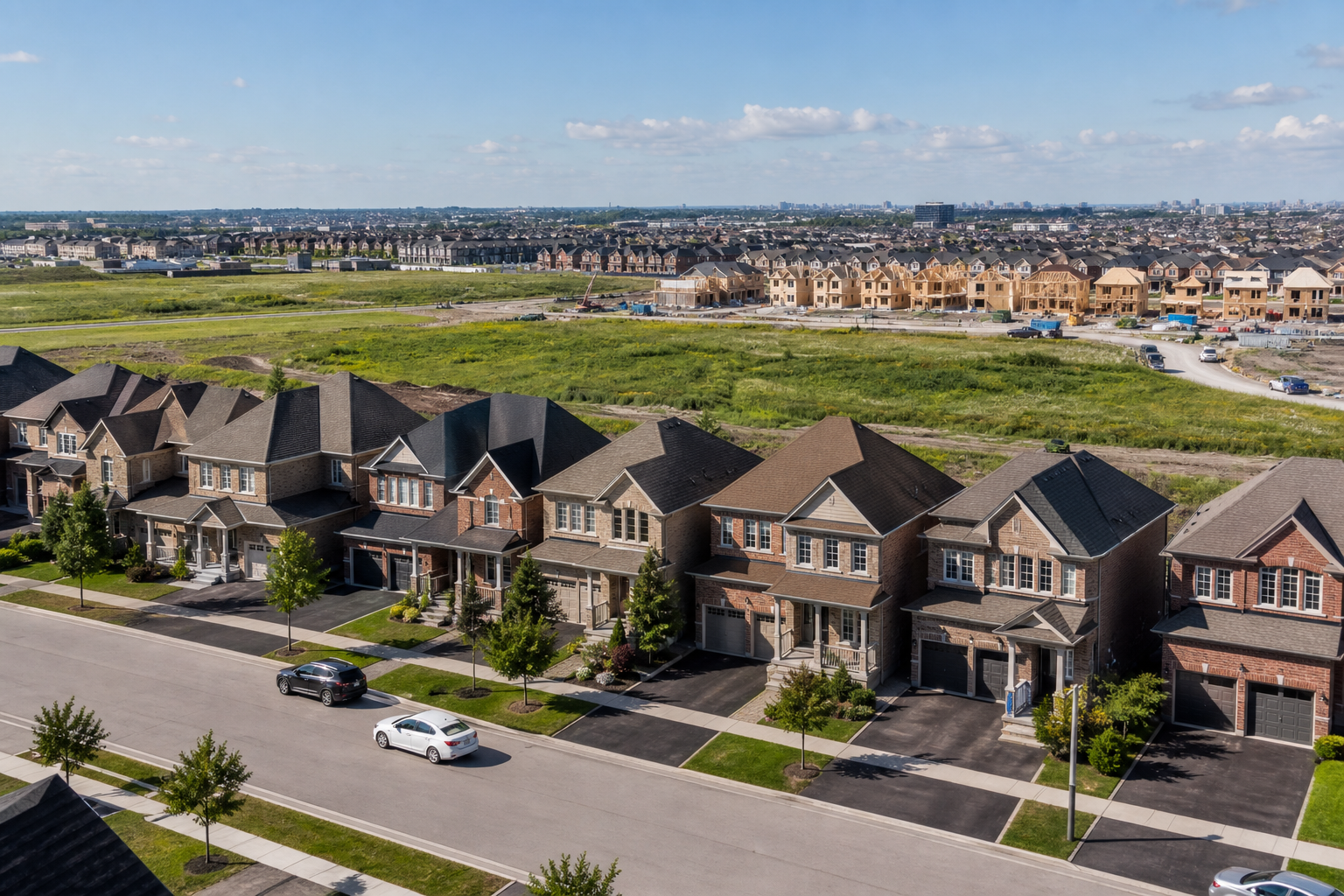
Why this matters: encumbrances and zoning rules can limit future plans or cause liens. Before you make a firm offer, request title information, inquire about easements, confirm zoning and permitted uses, and ask if there are active municipal work orders or outstanding permits.
What to verify
- Clear title and whether any easements, rights of way, or restrictive covenants exist.
- Zoning designation and permitted uses if you plan additions, rentals, or a home business.
- Municipal orders, outstanding permits, or code violations that could become the buyer’s responsibility.
Safe responses to seller claims
If a seller promises to clear an encumbrance at closing, confirm the promise in writing and require proof from a legal professional or municipal confirmation. Always instruct your lawyer to review title documents before closing.
6. Inspection and appraisal compared: sequence and impact on offers
Why this matters: the lender-sourced appraisal and the buyer-ordered inspection serve different purposes. The appraisal supports loan value for the lender. The inspection identifies defects for negotiation. Understand the sequence and allow inspection contingencies in your offer when possible.
Typical sequence and rules
- Offer accepted, then buyer orders a professional inspection within the agreed contingency period.
- Lender appraisal typically follows and may influence loan approval if value comes in low; appraisal is not a technical inspection.
Industry checklists that collapse the process into practical steps can help you plan timing and contingencies (Opendoor home buying checklist, Realtor.com first-time buyer checklist).
Decision rules
If an inspection finds major issues, you can ask for repairs, a price reduction, or a credit. Skipping inspection to make a stronger offer is sometimes used in hot markets, but it increases risk; only skip if you accept the potential for unseen and expensive repairs.
7. Closing costs and move-in readiness compared
Why this matters: closing day requires preparation for funds, documents, and handoffs. Budget beyond the down payment for closing costs and immediate move-in needs. Consumer guidance recommends documenting these costs early so you are not surprised near closing (CFPB: preparing to shop for your mortgage).
Items to budget and prepare
- Closing costs such as land transfer taxes, legal fees, title insurance, and disbursements (amounts vary by transaction).
- Funds: lawyers typically require certified funds or wire transfers on closing day.
- Move-in checklist: arrange utilities, home insurance effective at closing, and mail/identity updates.
What to expect on closing day
Bring government ID, confirm final funds instructions with your lawyer, and ensure insurance coverage begins at the time stipulated in your purchase contract. If timelines matter, ask your agent to coordinate a closing-day plan and key release specifics.
Frequently asked questions
How do I get a mortgage pre-approval and how long does it last
Start by contacting lenders with proof of income, employment, bank statements, and ID. A written pre-approval from a lender typically documents your qualifying maximum and can last from 60 to 120 days depending on the lender. Ask the lender how long their pre-approval is valid and what would cancel it.
What should I bring to a showing so I can use the comparison sheet effectively
Bring a printed comparison sheet, a smartphone for photos, a tape measure, a notebook, and a pen. Take the HUD printable checklist as a baseline and score the property immediately after the showing while impressions are fresh (HUD printable checklist).
When is it safe to waive an inspection and what are the risks
Waiving an inspection reduces contingencies and can strengthen an offer in competitive markets but increases your exposure to hidden defects. Only consider waiving an inspection if you accept the cost risk, have recent maintenance records, and can afford unexpected repairs. Discuss the trade-off with your agent and consider at least a targeted inspection for major systems.
How do I compare two offers if both look good on the checklist
Compare total monthly ownership cost, neighborhood fit, condition risk, and financing certainty. Use the one-page comparison sheet to score each home across the seven items and weigh the factors according to priorities such as commute, schools, or investment return.
Can a local agent help me get a copy of municipal property records in Brampton
Yes. A local agent can request municipal property tax history, zoning details, and available permits. If you want those records pulled and explained, contact a Brampton agent such as Harman Sangha Realtor : Re/max Gold who can obtain local documents and advise on implications.
Key takeaway: use the seven-item checklist and a printable comparison sheet at every showing. Score each property on finance readiness, true cost, condition, neighborhood, title and zoning, inspection and appraisal outcomes, and closing readiness to make consistent, confident decisions in the Brampton and GTA market.
Next step: For a free local consultation or a Brampton-tailored comparison sheet you can print before showings, visit Harman Sangha Realtor : Re/max Gold.